Welcome to The British Hernia Centre.
Symptoms & Self-Check
Treatment Options
Holidays with a Hernia


Why Patients Worldwide Choose The British Hernia Centre
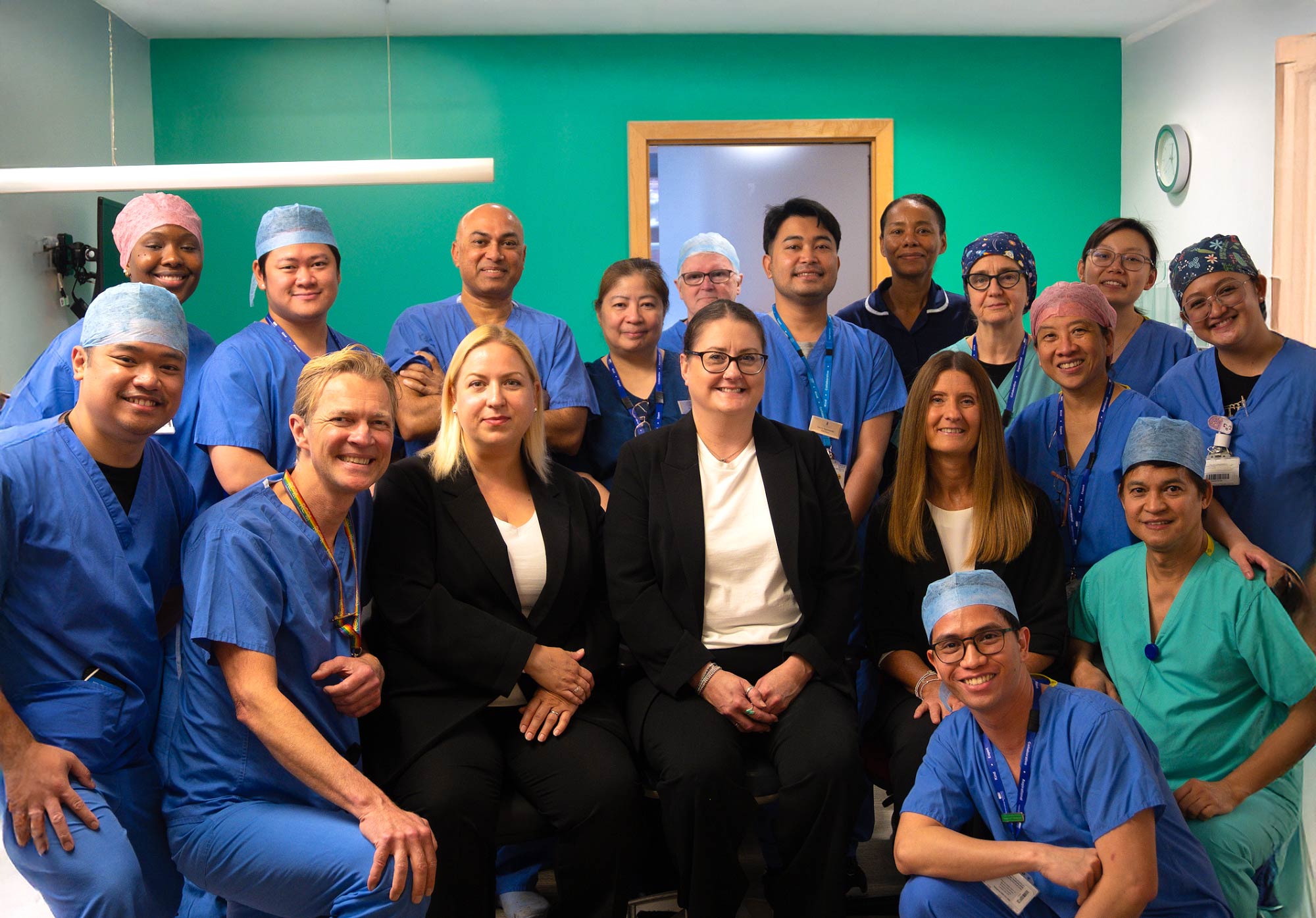
The British Hernia Centre is the first and only specialist hernia centre in the UK and internationally. For over 37 years, its dedicated hernia-only team has performed more procedures than any single hospital or unit worldwide.
For over three decades, patients from across the globe have trusted The British Hernia Centre for expert diagnosis, treatment and recovery. Our unique focus on hernia care and our record of consistently outstanding outcomes has made us a destination for both local and international patients seeking the very best in hernia surgery.
Your Hernia Information Hub
Clear, reliable resources to help you understand the different types of hernias, explore treatment methods, and connect with our hernia specialists.
Types of Hernia
About the Centre
Diagnosis & Treatment
Patient Information
How we've helped make a difference
Frequently Asked Questions
There are several kinds of hernia, depending on where the muscle or tissue is weak. The most common is an inguinal hernia, which develops in the groin and is more common in men. Femoral hernias also occur in the groin and are more common in women. Umbilical hernias appear around the belly button, while incisional hernias develop through scars from previous surgery. The British Hernia Centre specialises in diagnosing and treating all types of hernia.
If the window in the abdominal wall should decide to close and clamp shut whilst a fold of bowel (for example) is poking through it, this is a strangulated hernia. It cuts off the blood supply to the bowel which rapidly turns very unpleasant. It is usually extremely painful and is a surgical emergency. Sometimes it can require treatment within minutes, requiring an ambulance trip to the emergency room at the nearest hospital.
If you have pain with a hernia, especially a small one, you should not wait to see what happens. Get it repaired as soon as possible.
See the important section on Strangulated Hernia.
Most hernias, if not treated, do nothing more than get bigger. However, hernias can get very painful, often without warning and at their worst can strangulate, which can demand an ambulance and immediate emergency surgery or the consequences could be extreme.
Not many of them really do, but if your local hospital really does do the same operation – and by a dedicated, highly expereinced team specialising in hernia who are achieving – and publishing – the same results, you can use either of us. Not all hernia operations are the same, unfortunately, nor are the outcomes, so choose wisely.
The next Question will help you…
The easiest way to compare is to start with these simple questions. For example,
How many tens of thousands of hernia cases has your surgeon and his team performed? (Always ask that question) Is it done routinely under just local anaesthesia? Will you need overnight hospital admission at all? Will you be able to return to work and normal activities in the same amount of time? Are the risks of recurrence anything like the same? Do they have a 100% safety record and ZERO MRSA?
Hernia surgery is no different to any other walk of life in this regard. If other operations are done better by people who specialise in that work, then hernia is no different. Expert opinion now recognises the importance of specialisation in hernia, not only by the surgeon, but the rest of the team and the unit where the work is done.
Our own results have been improved on because of our experience with so many cases each year. We started off with excellent results, but by doing tens of thousands of hernias, even they were dramatically improved upon. See Value of Specialisation.
Academic Publications
Our surgeons have published more major hernia studies than any other team in the world — sharing research and training with colleagues globally.